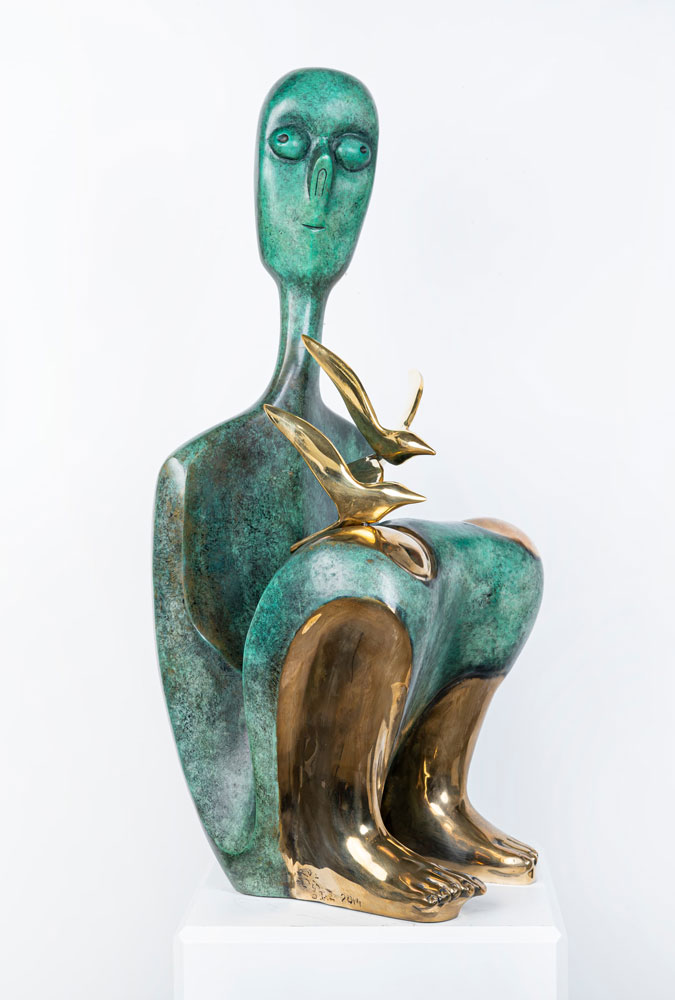
The wall
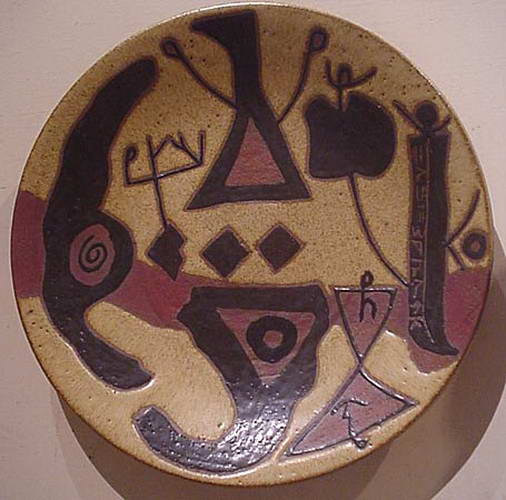
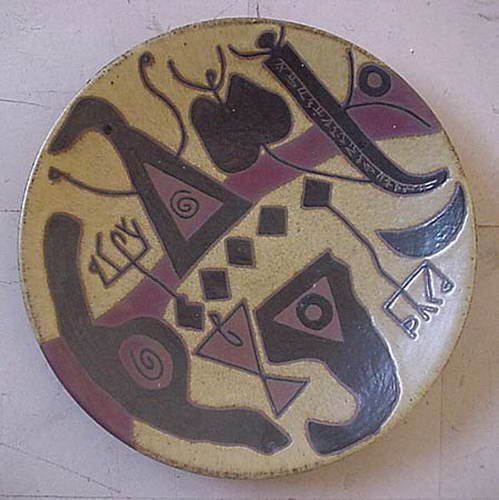
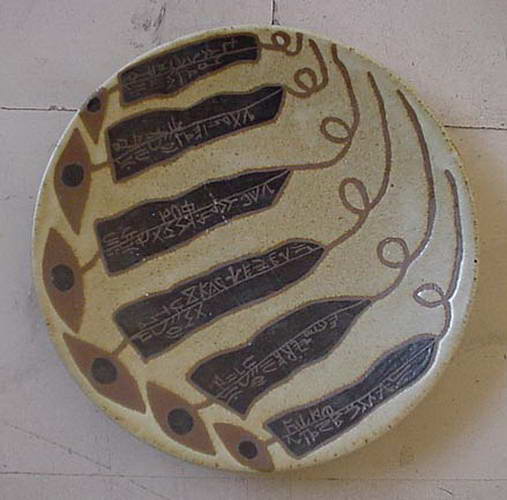
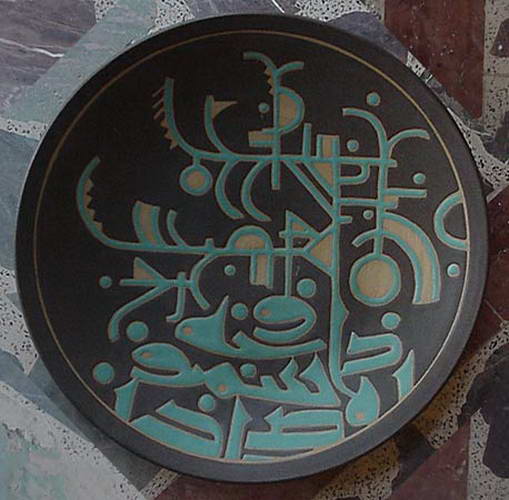
The flat work is not flat. Tile, relief and mural are where the clay, the metal and the writing end up in the same plane — and the only place all three materials meet.
From the wall-work archive.
Archival views preserved from screenshots of the earlier viewer. M codes retain the references visible in those captures. Browser bars have been removed; details inside the images have not been reconstructed.
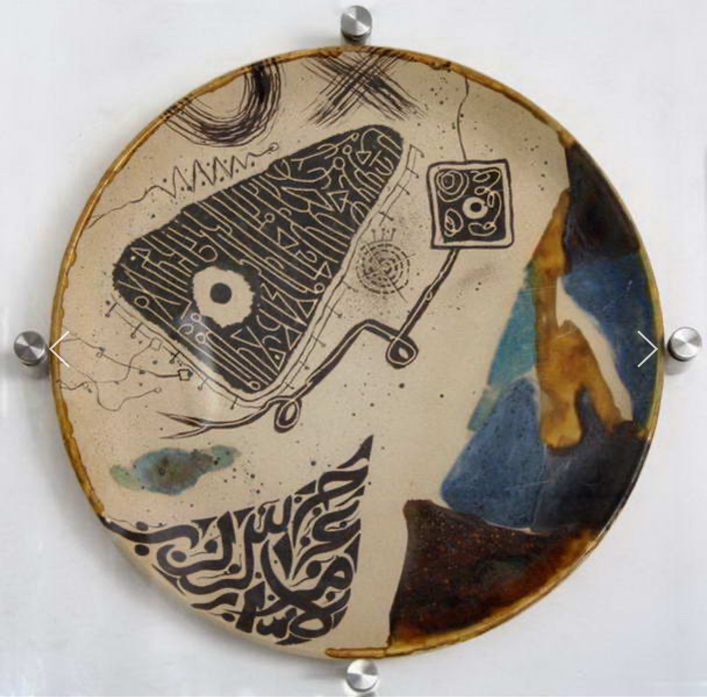
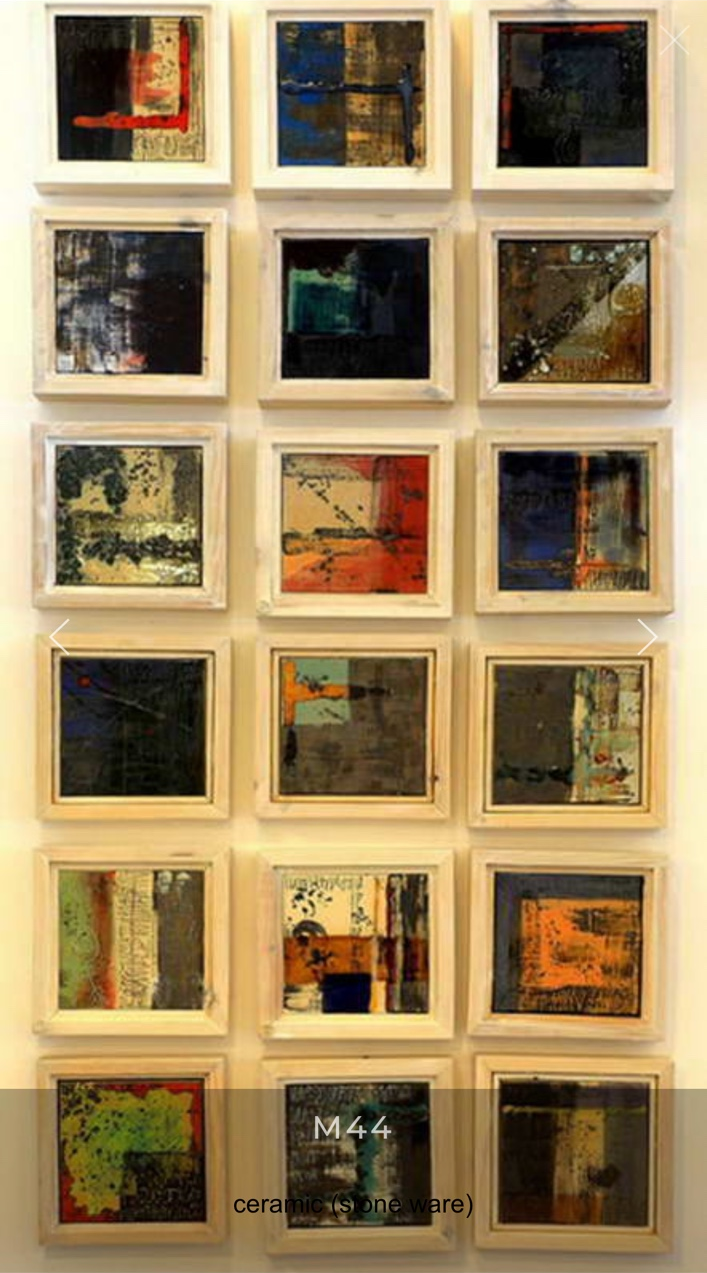
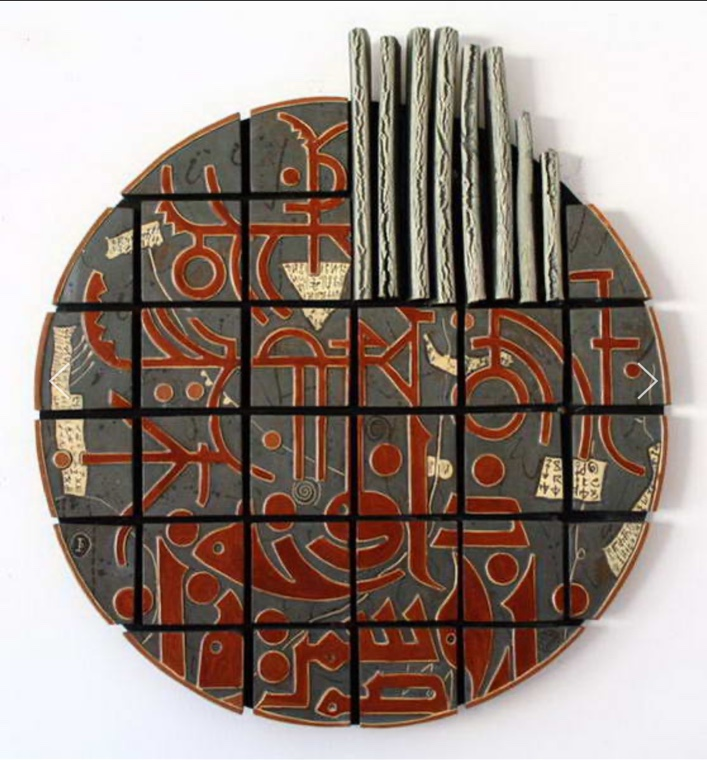
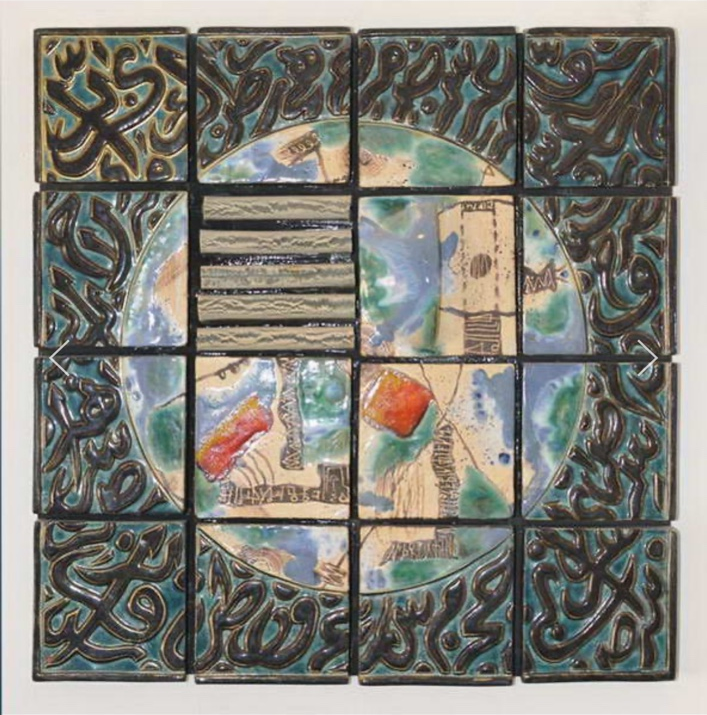
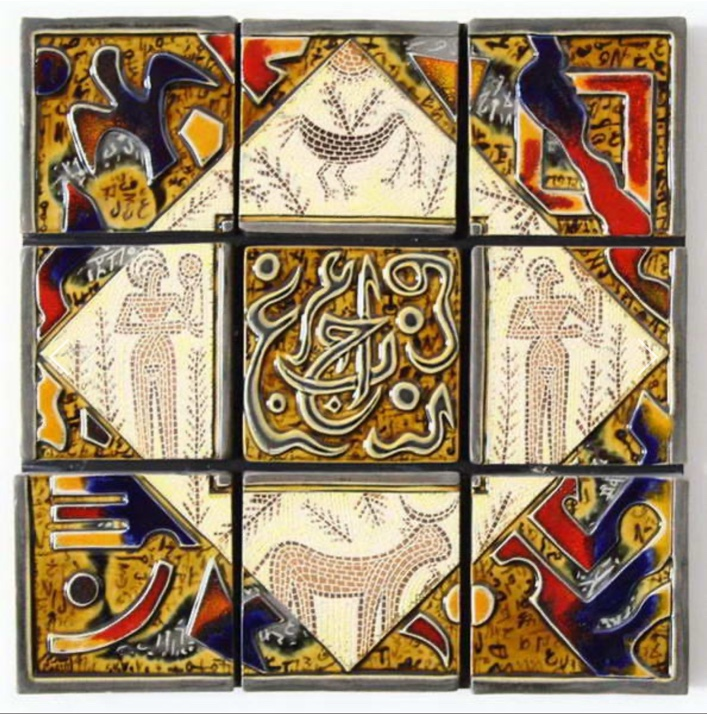
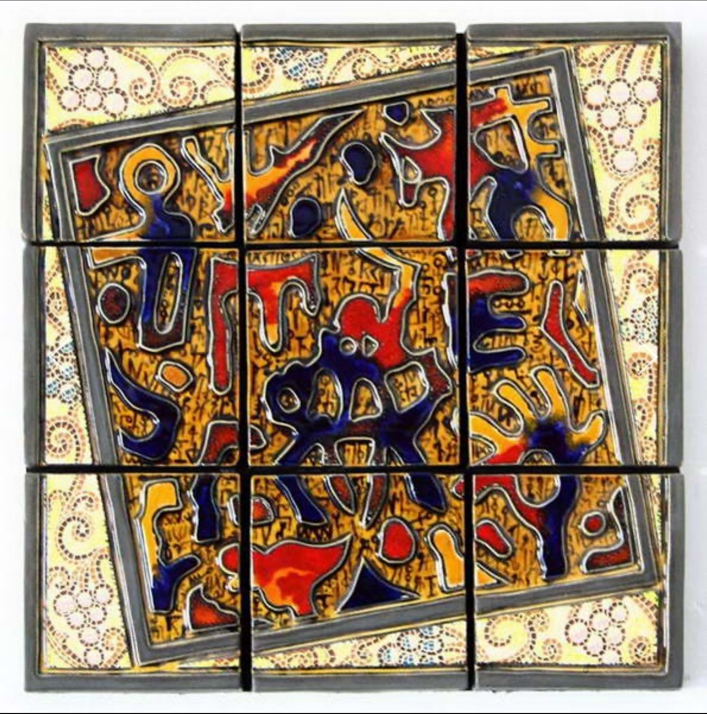
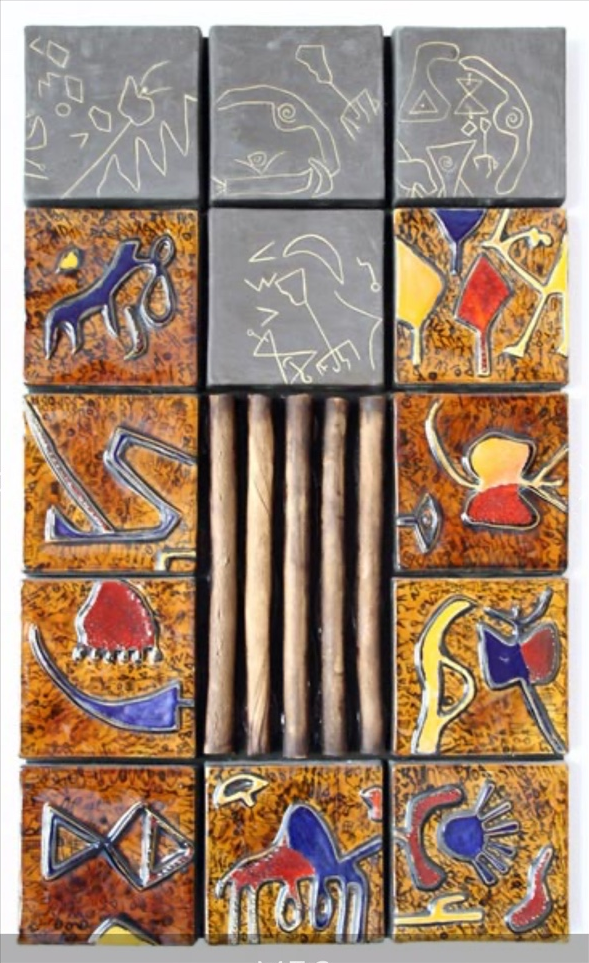
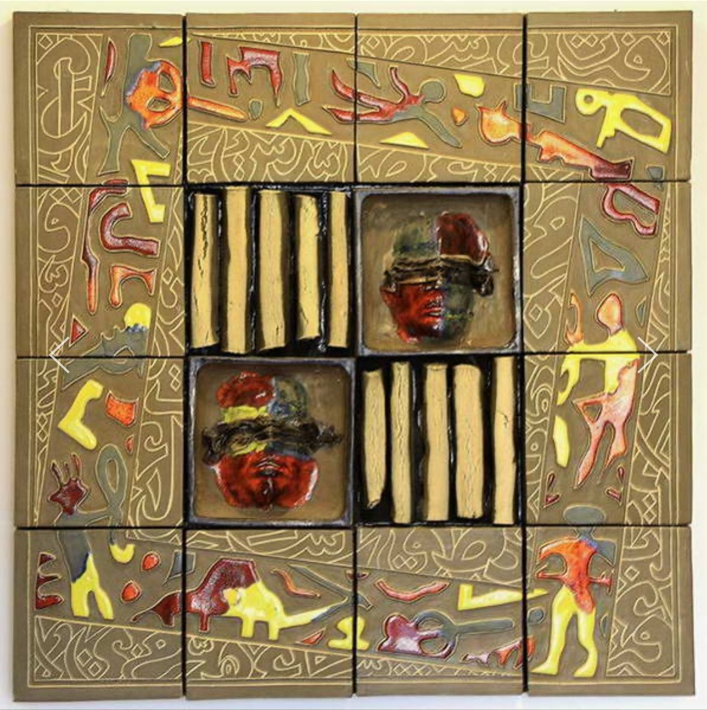
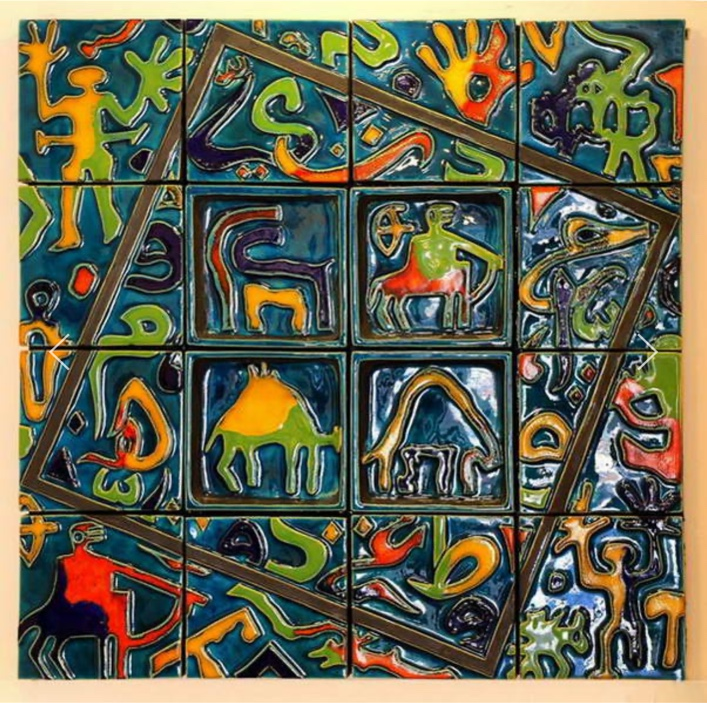
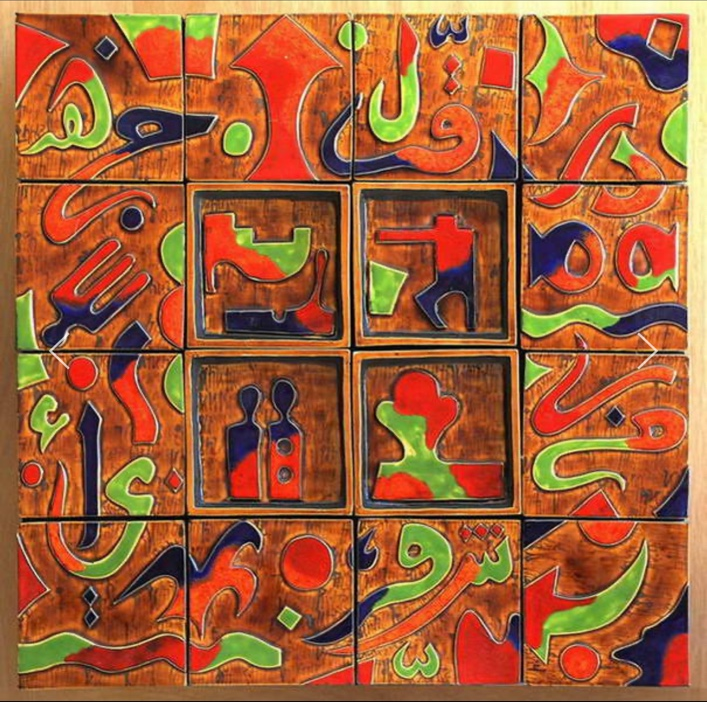
Thirty-three additional archive views.
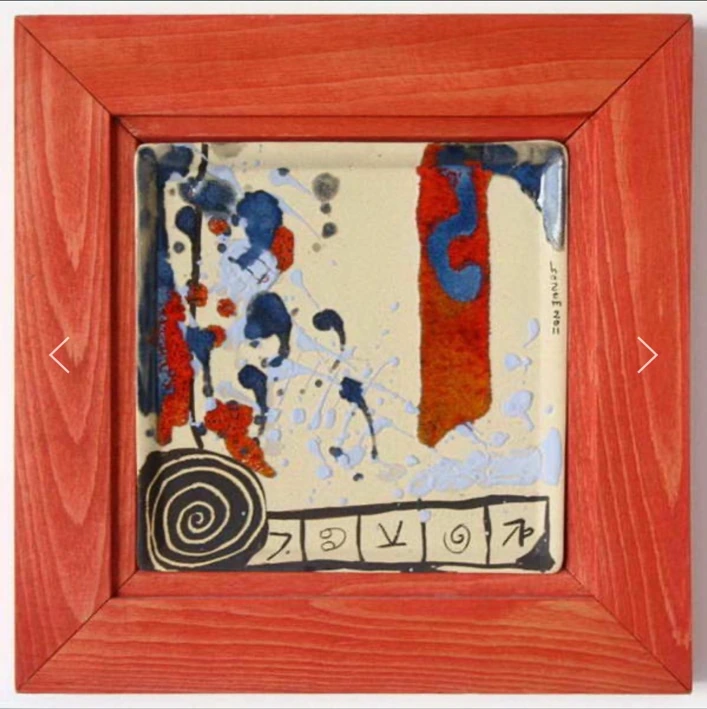
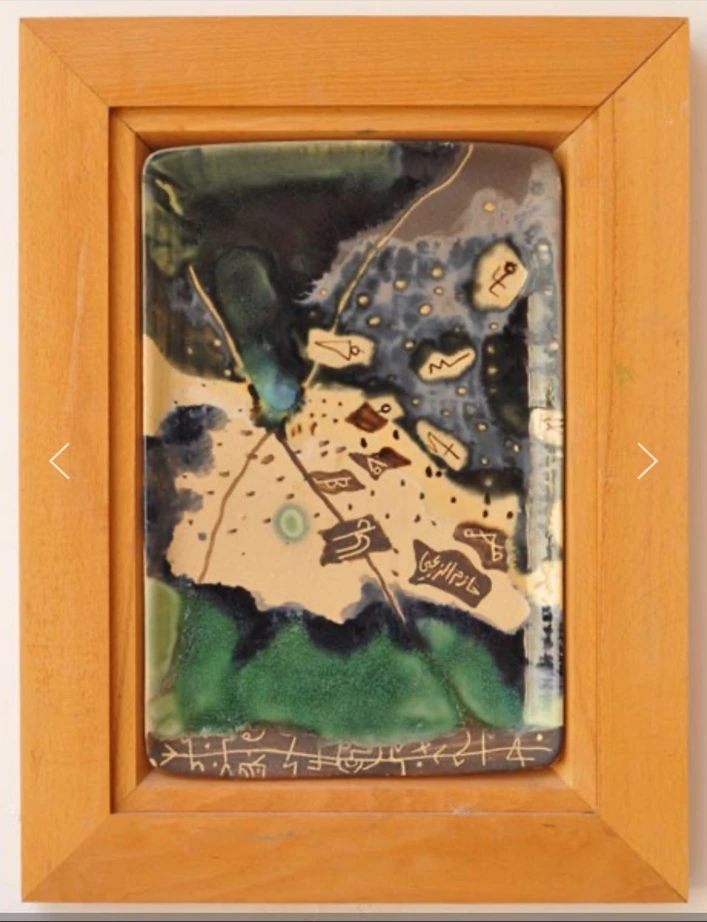
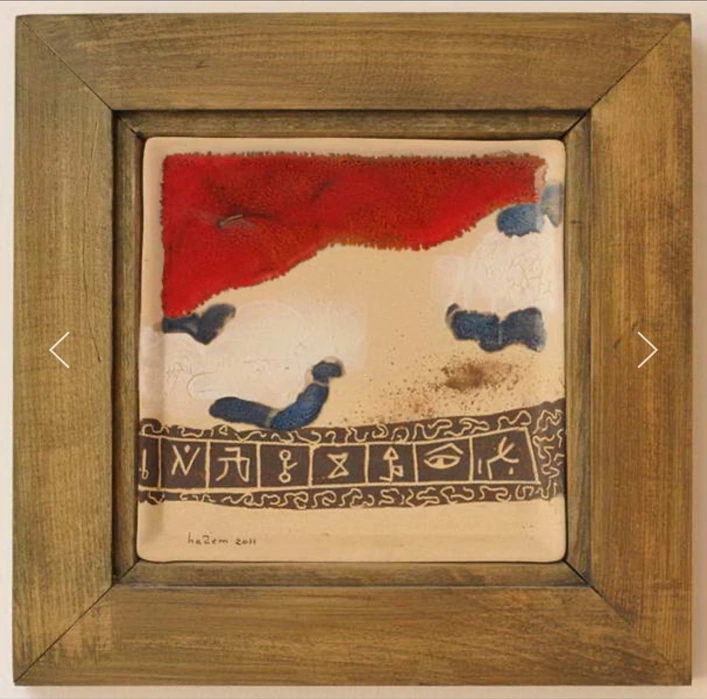
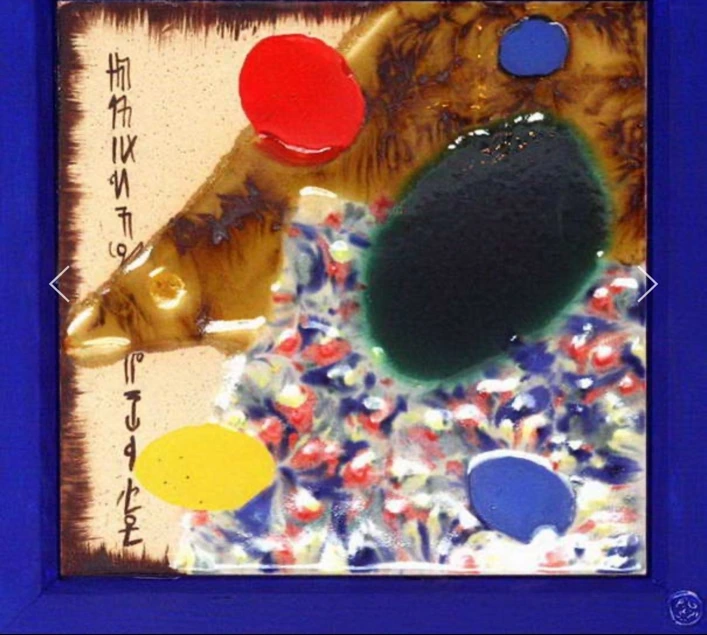
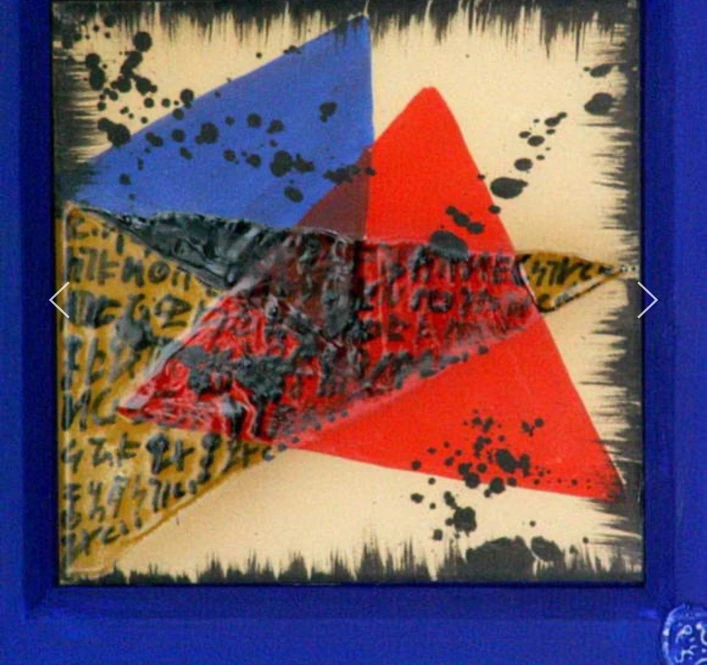
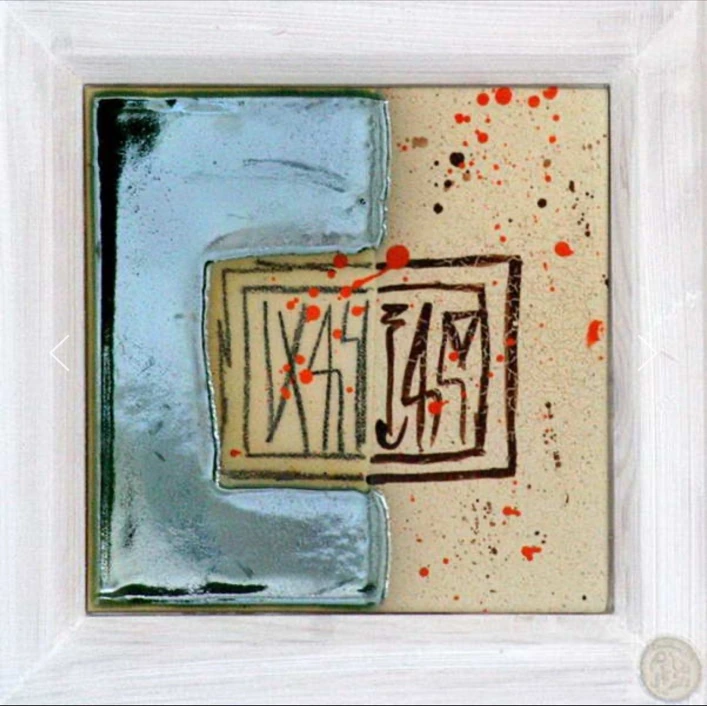
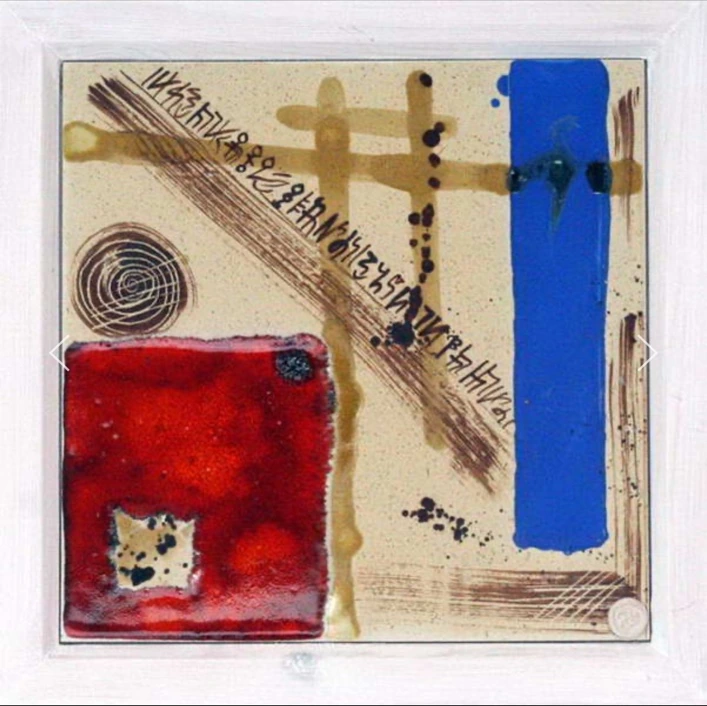
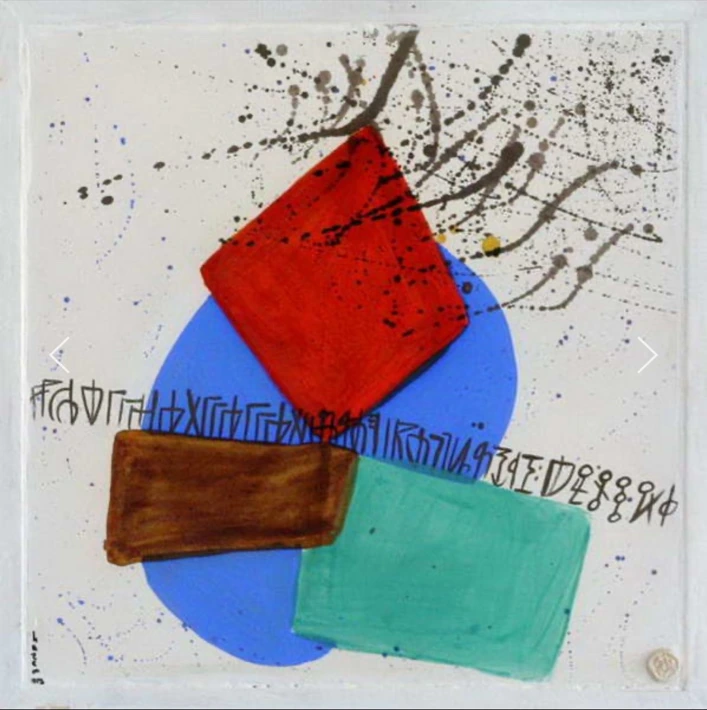
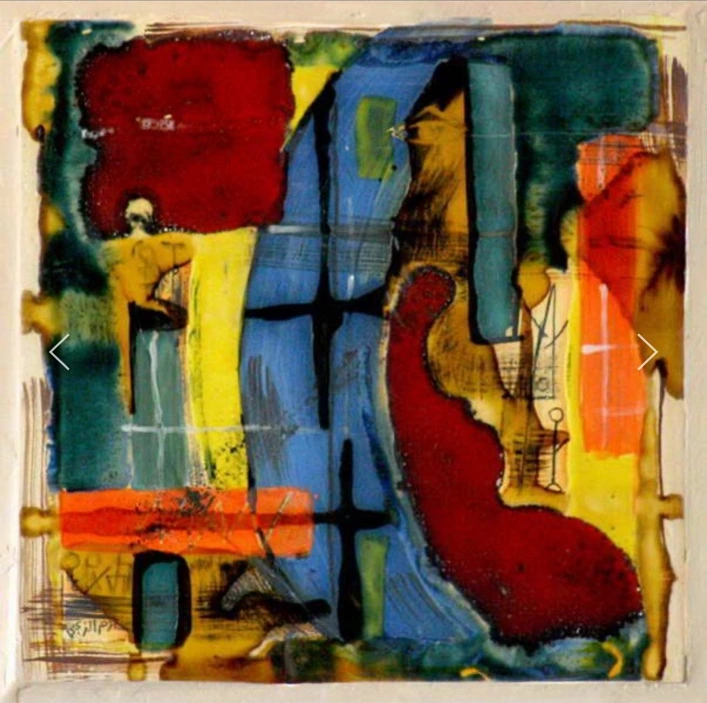
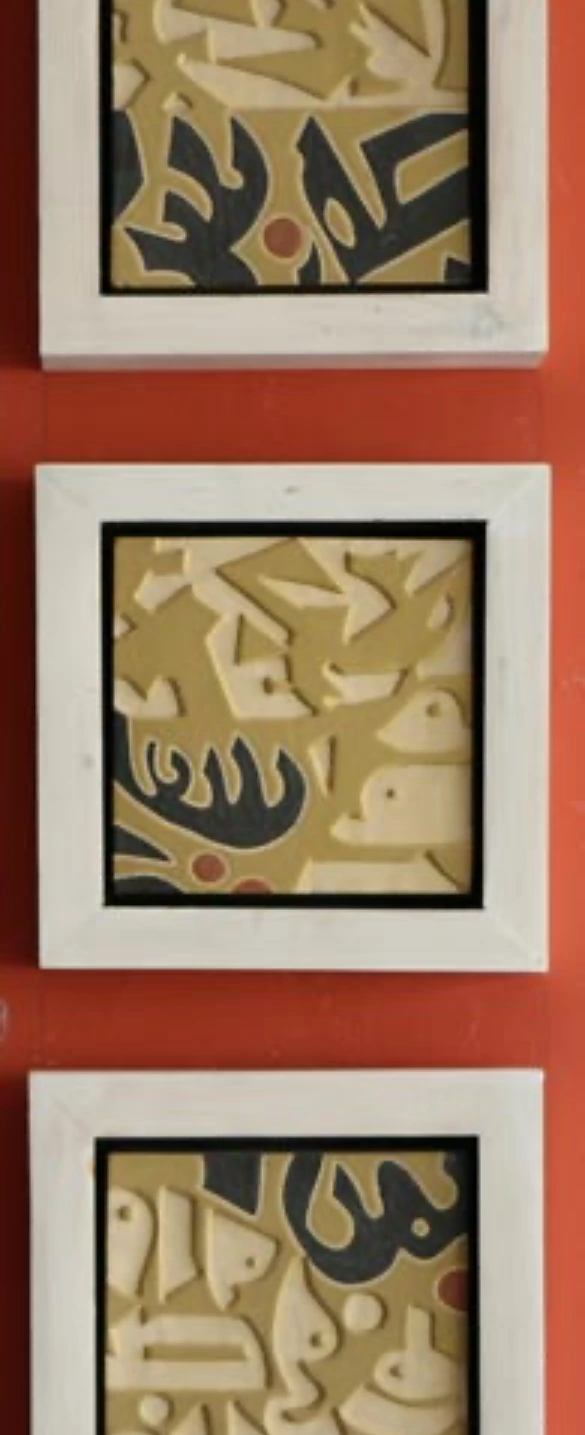
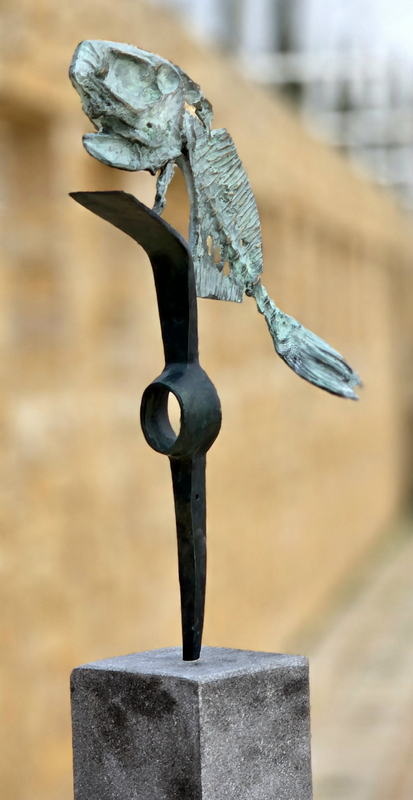
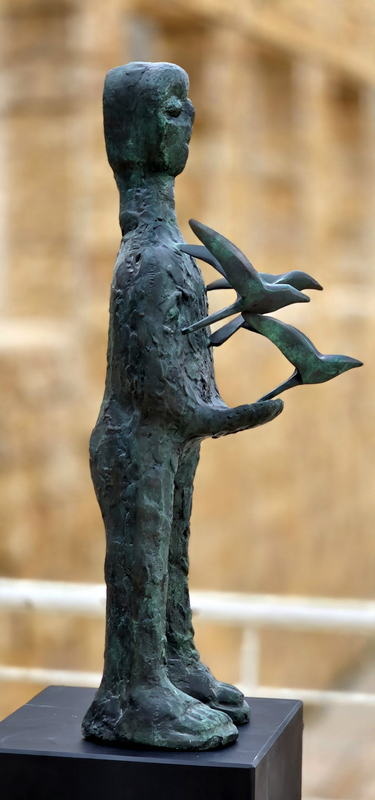
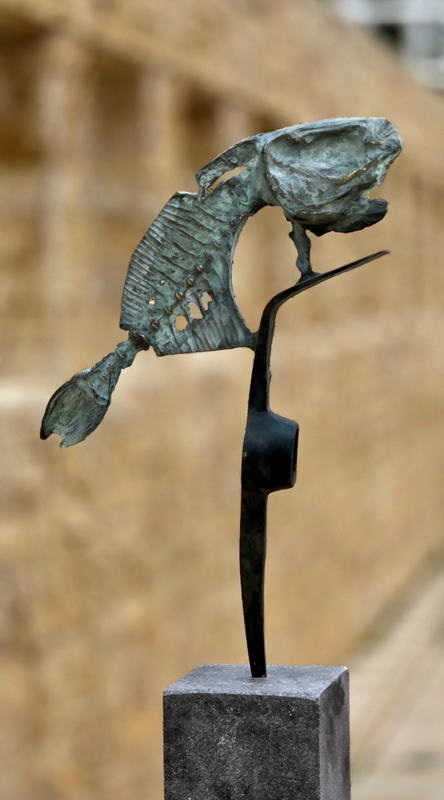
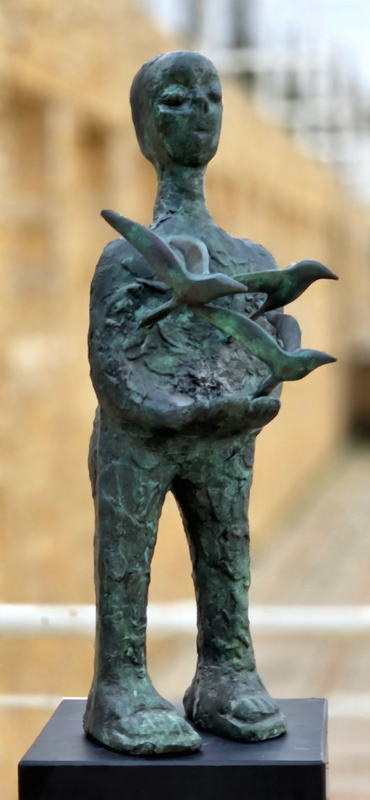
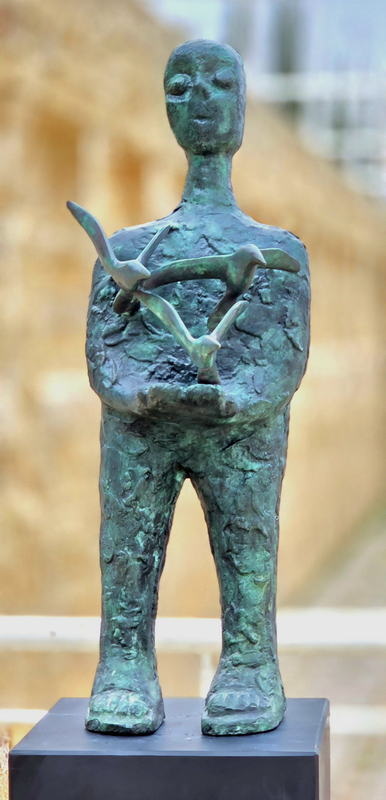
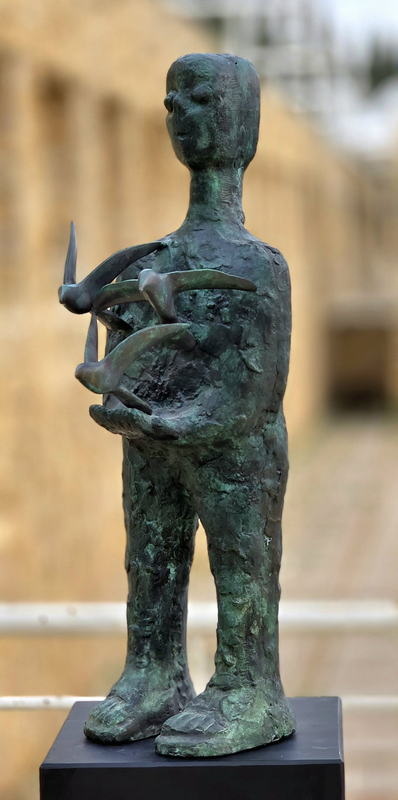
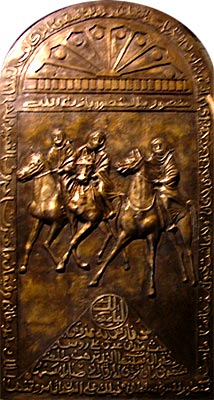
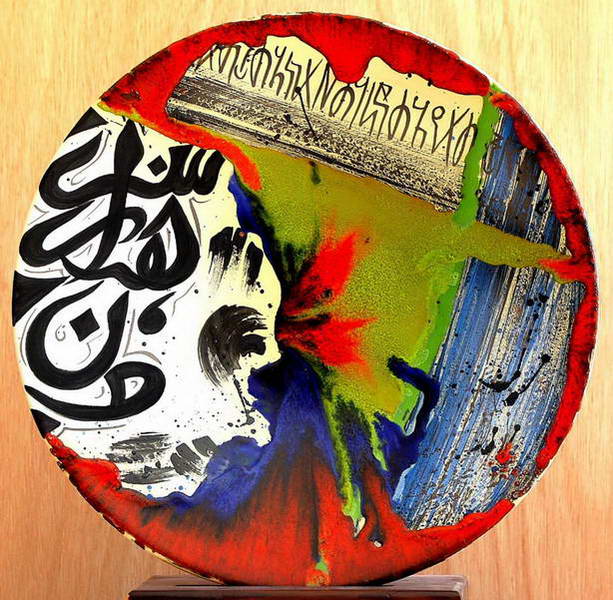
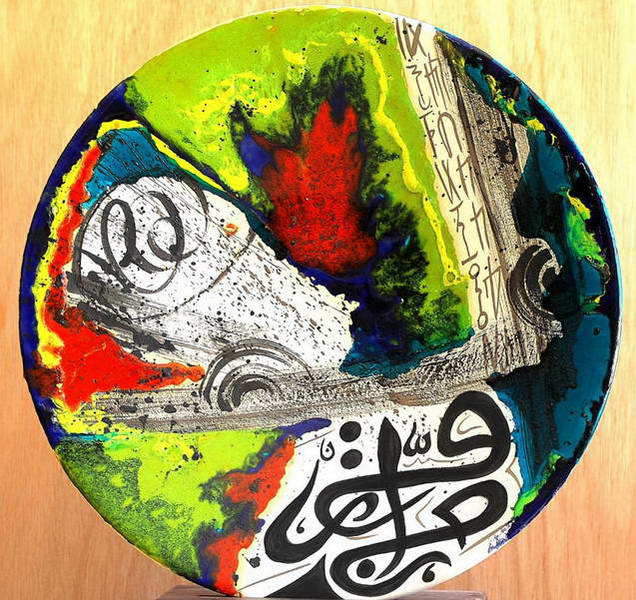
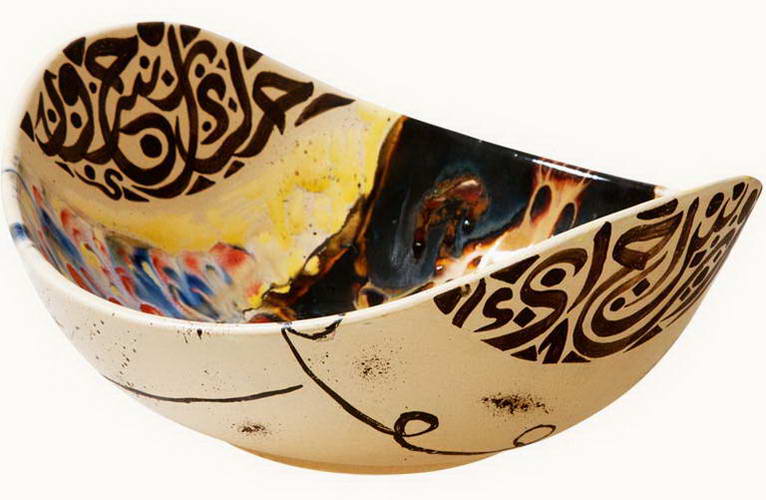
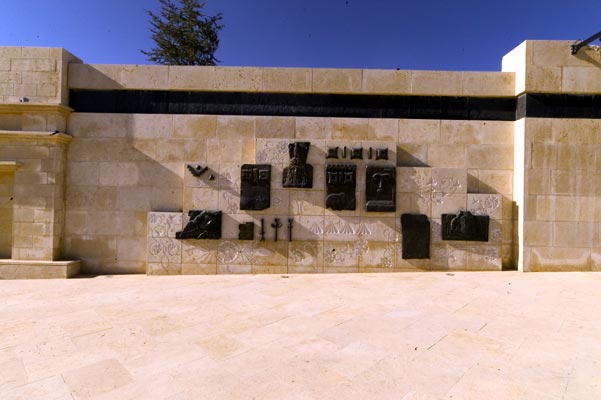
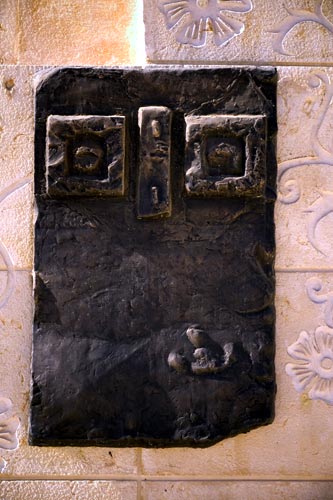
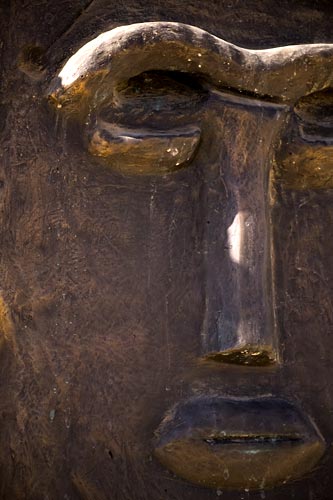
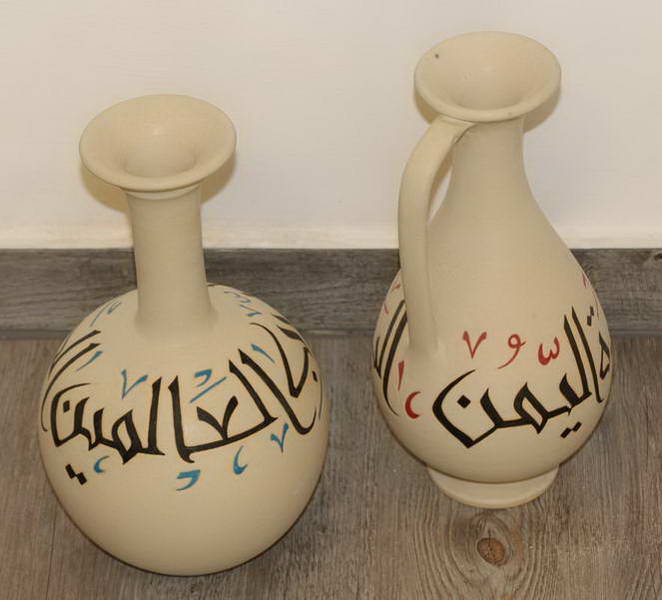
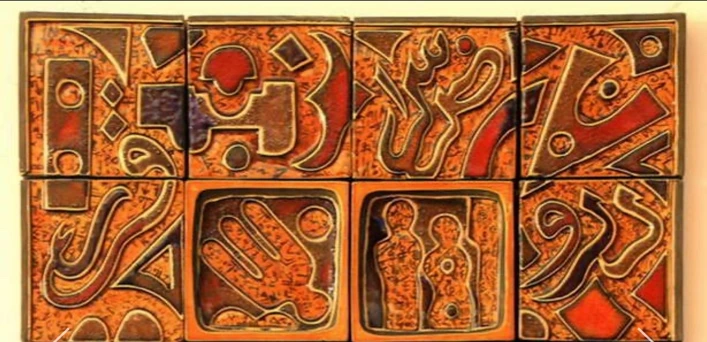
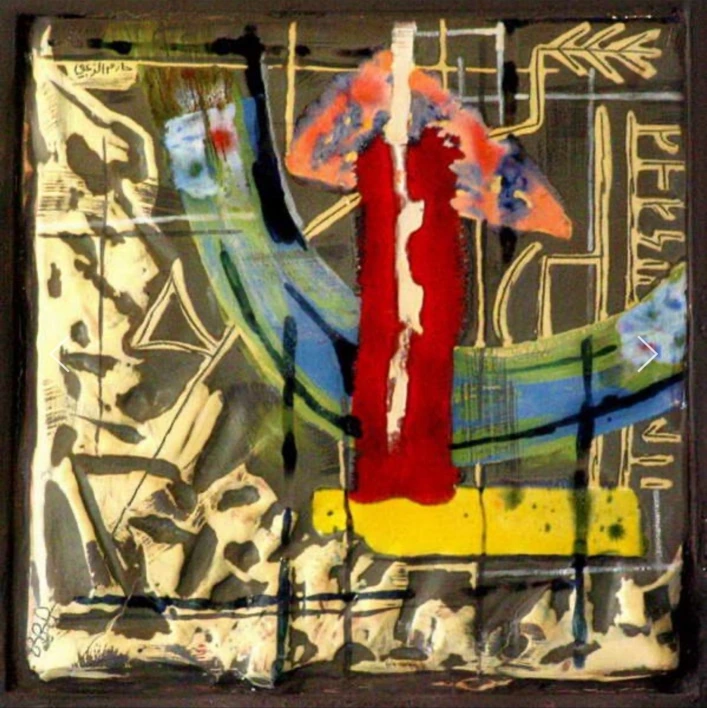
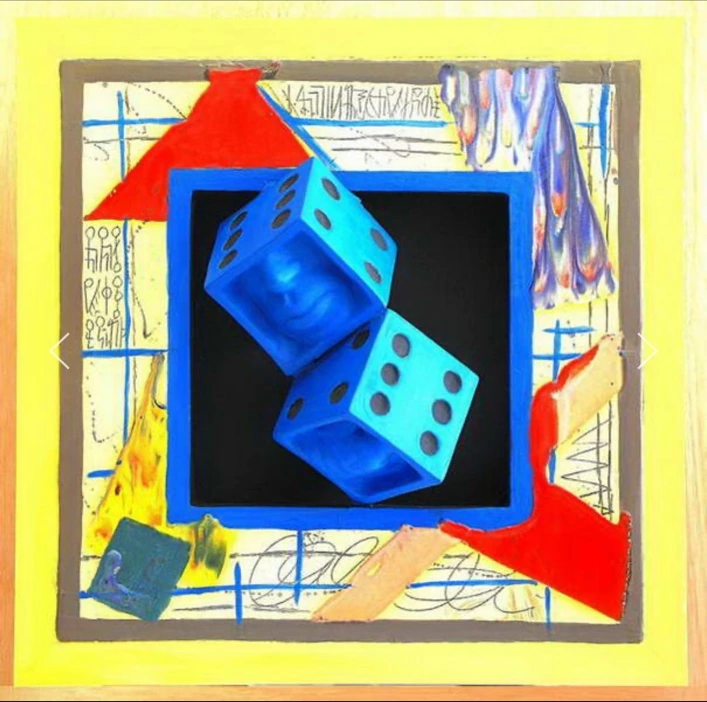
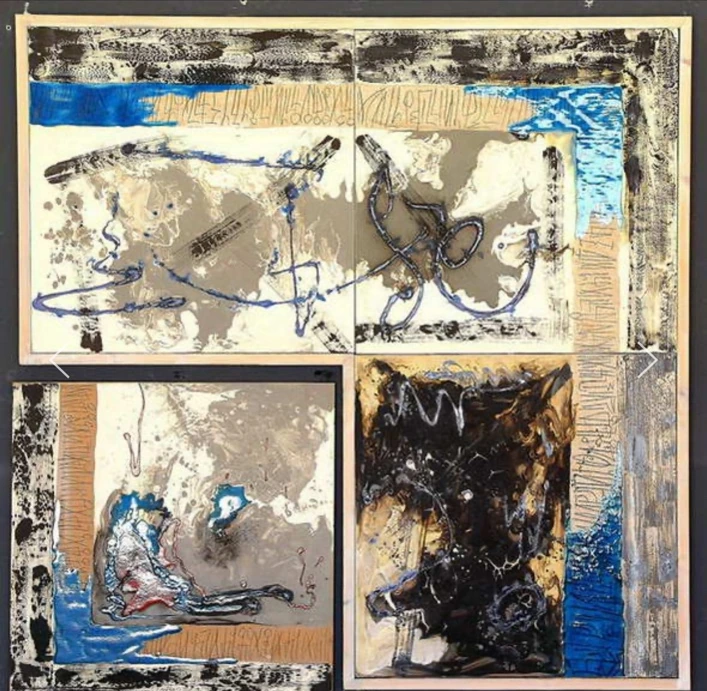
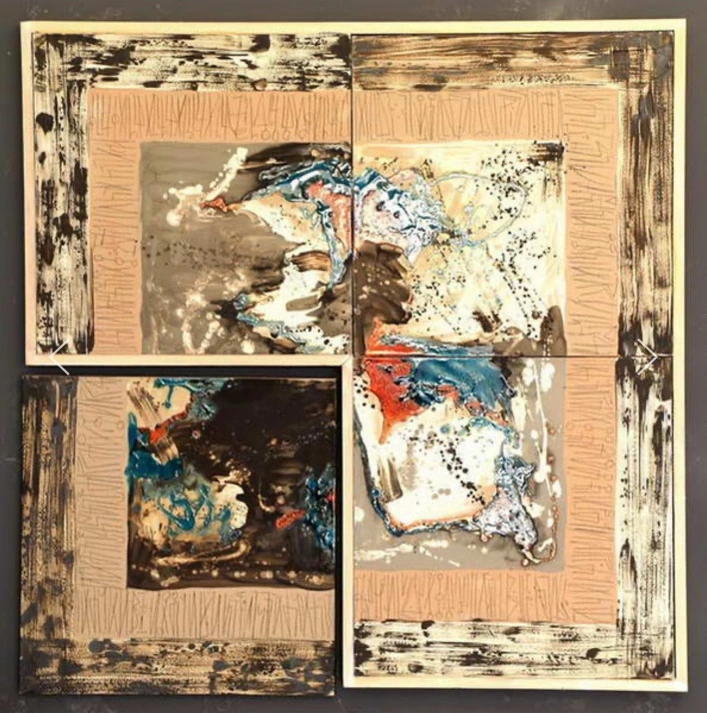
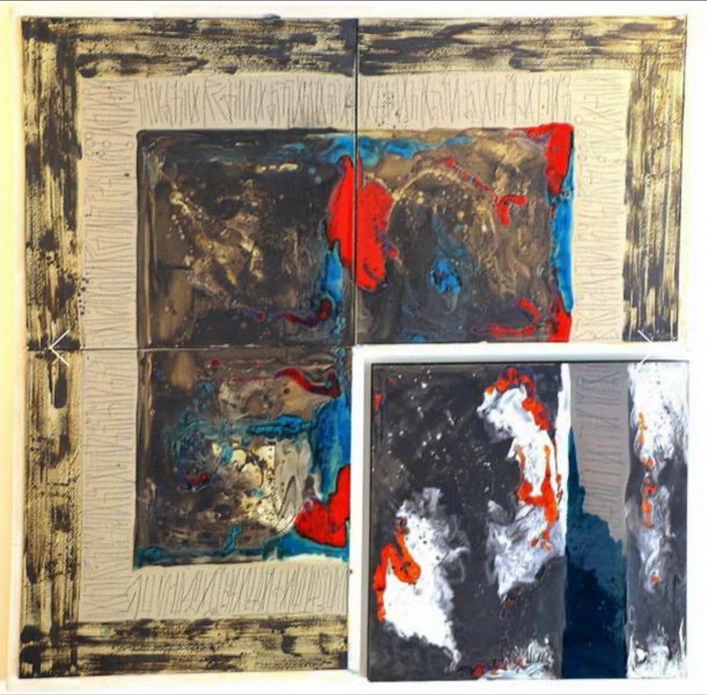
Made in 2005.
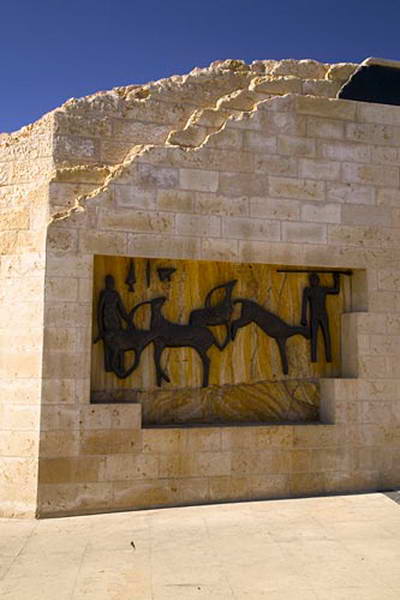
Ceramic and bronze in one wall. It is the largest single surface in the record so far, and the clearest statement of what he does when the work has to hold a room rather than stand in it.
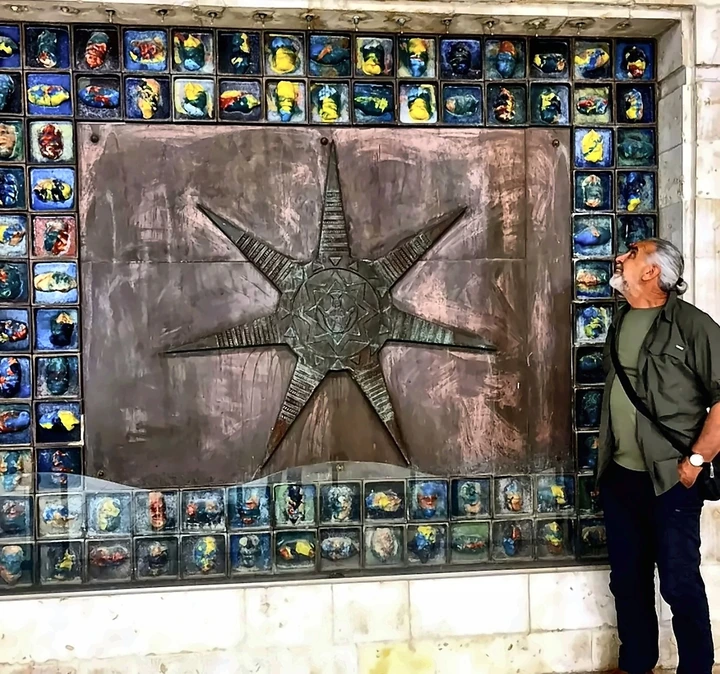
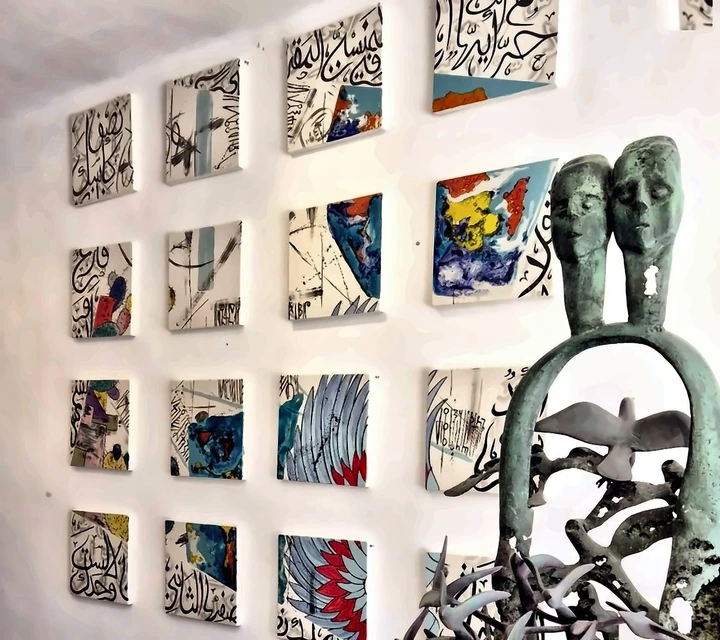
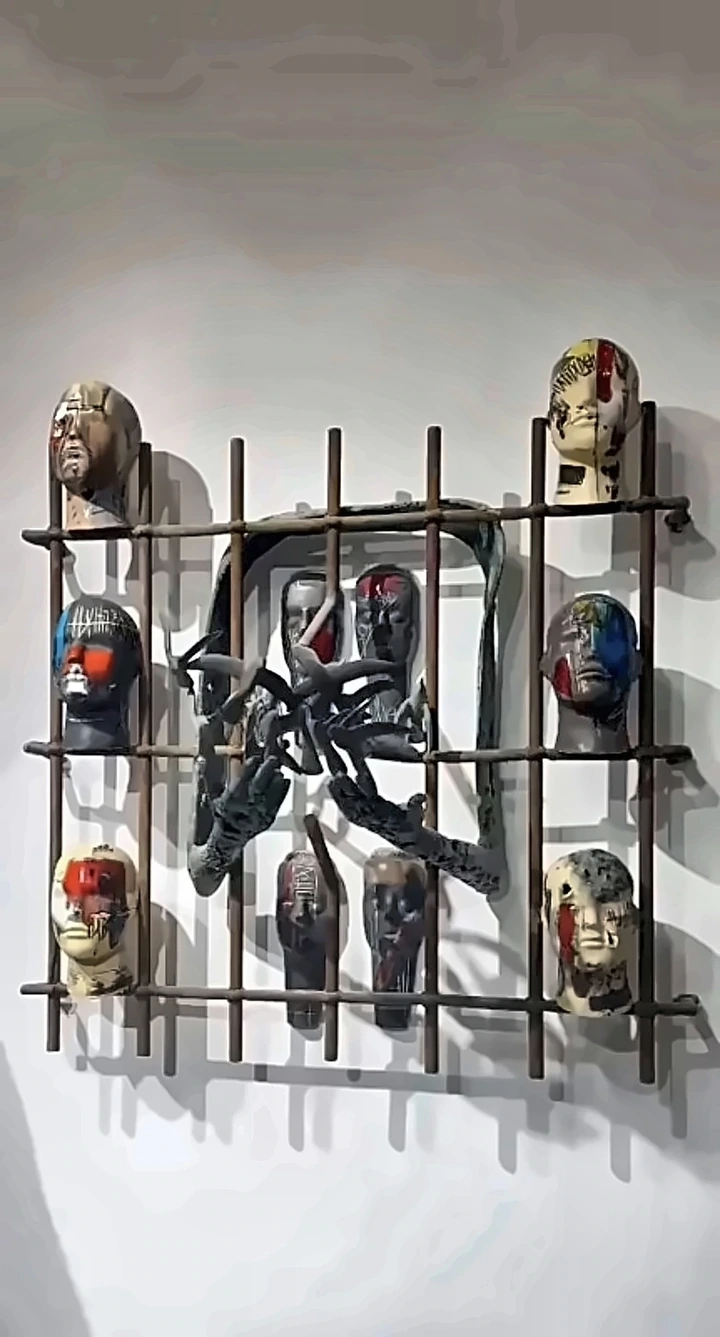
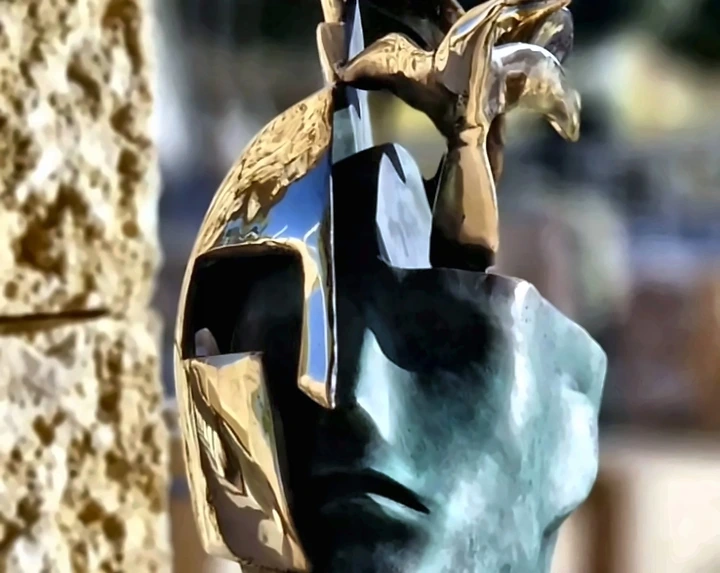
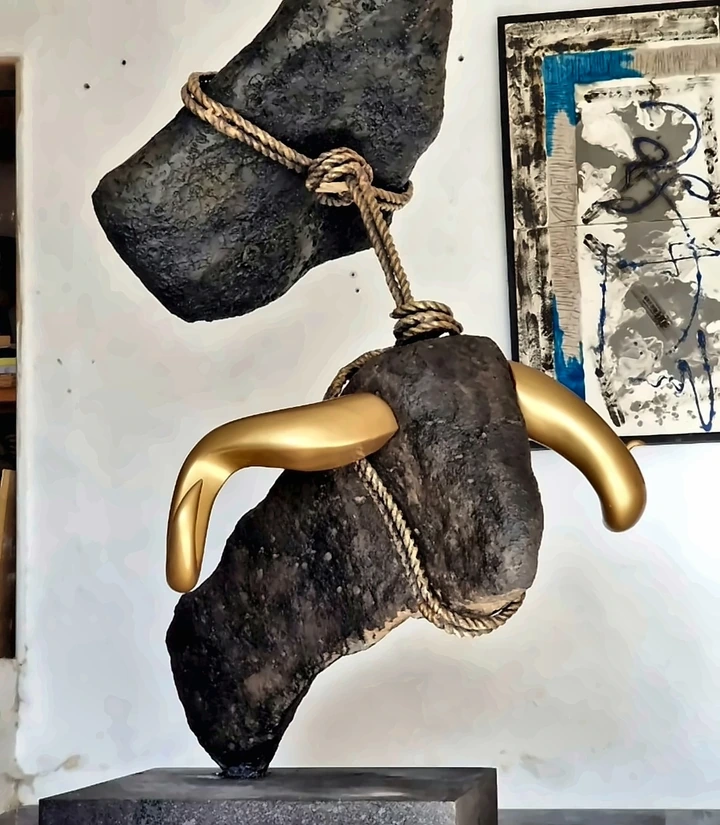
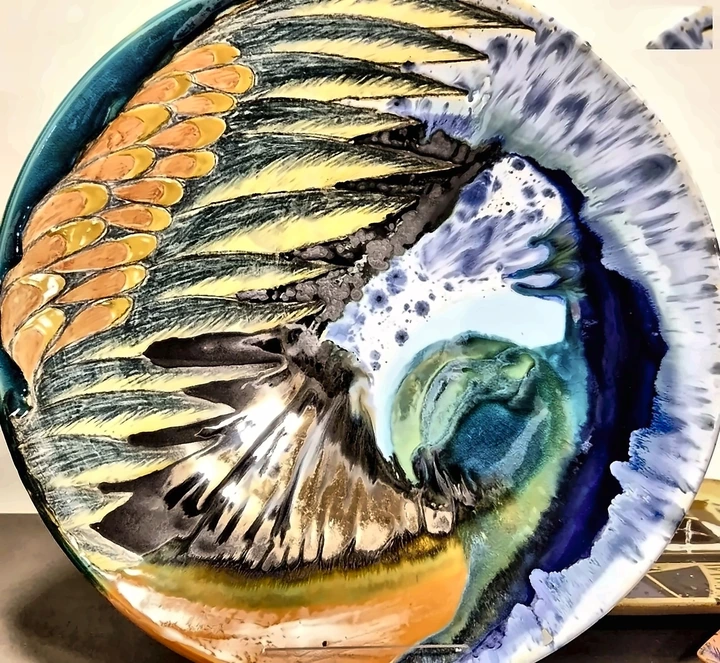
Murals and architectural commissions are the least documented part of the practice. Several large ceramic murals are held in one private collection in Amman, bought from him twenty-five years ago and never catalogued; others are in buildings that are still standing and have never been photographed properly. Recording them is the first task of the archive.
Some of it is not hung on a building. It is part of one.
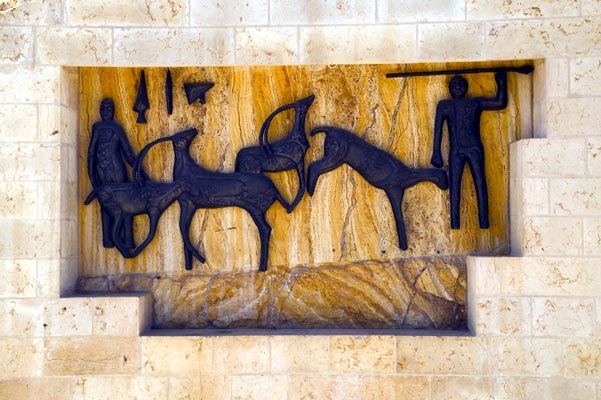
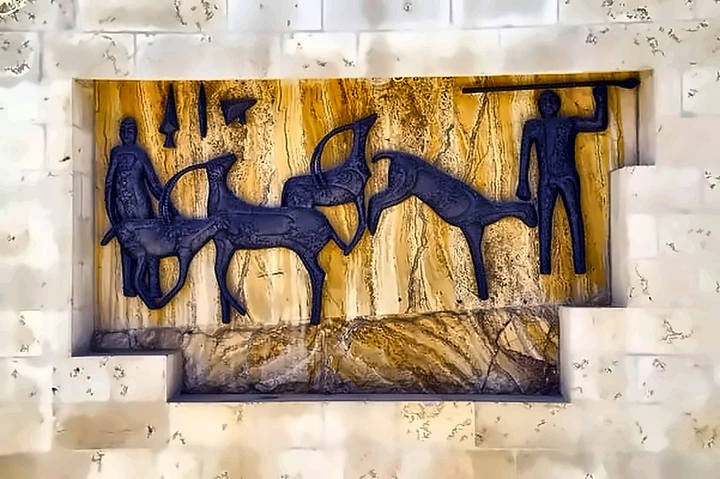
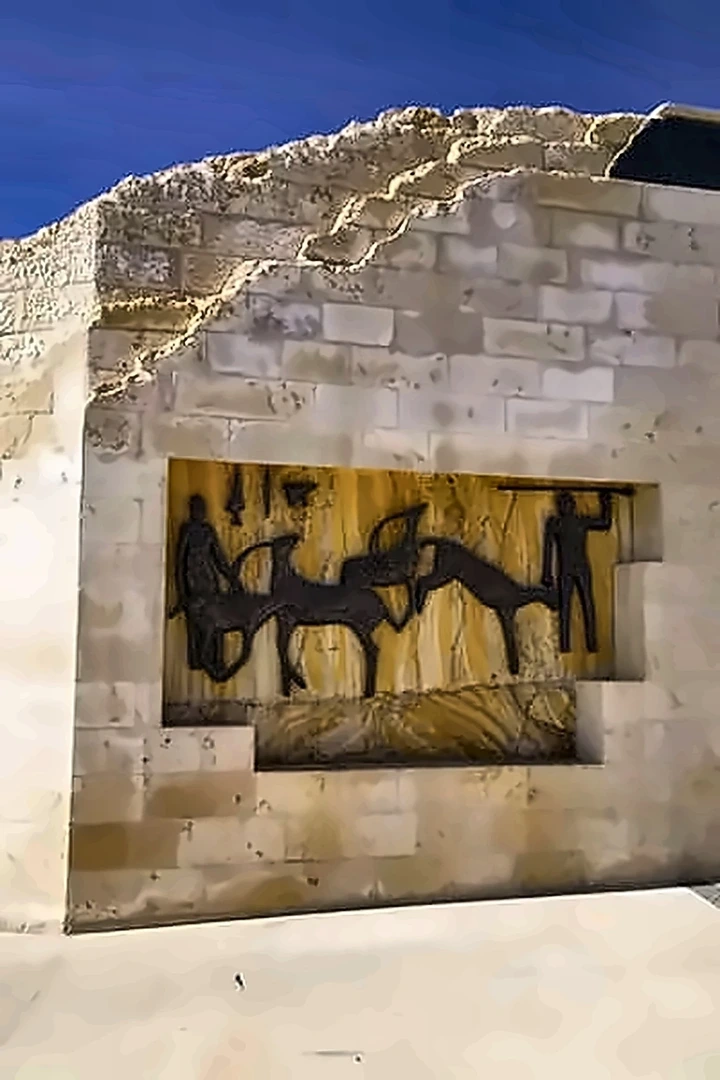
A hunting scene in bronze, recessed into a stone facade against a ground of veined onyx — figures with spears, an ibex, a bull turning. And elsewhere a run of dark panels set across a courtyard wall, each one a face or a sign, spaced out along the stone like a line of writing.
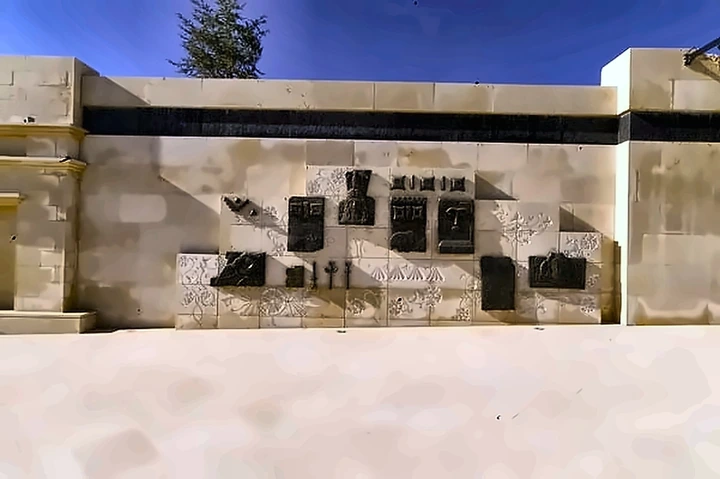
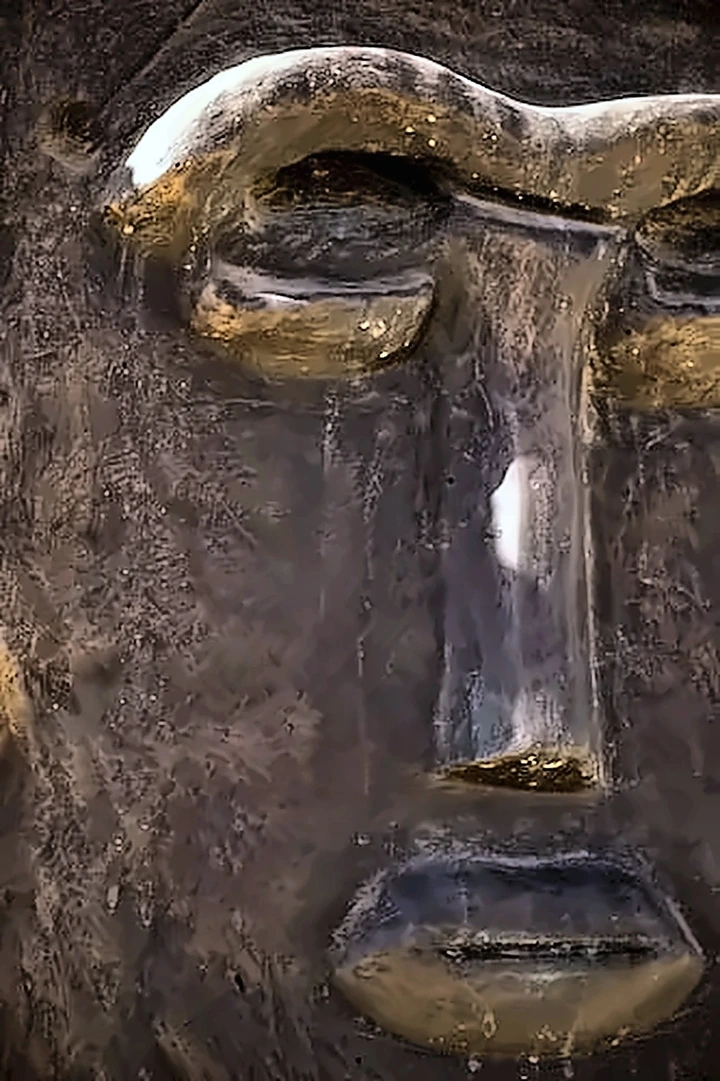
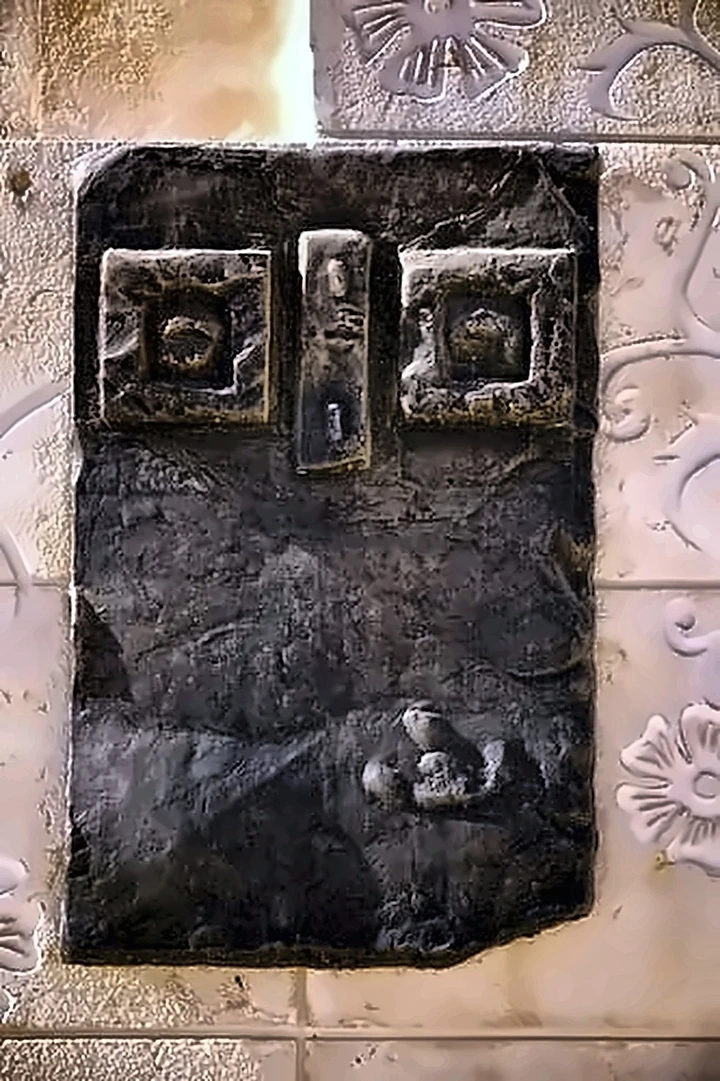
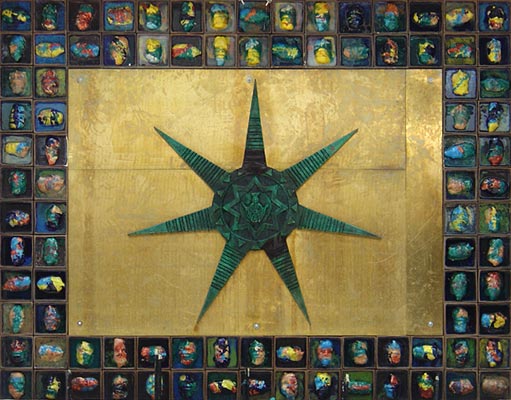
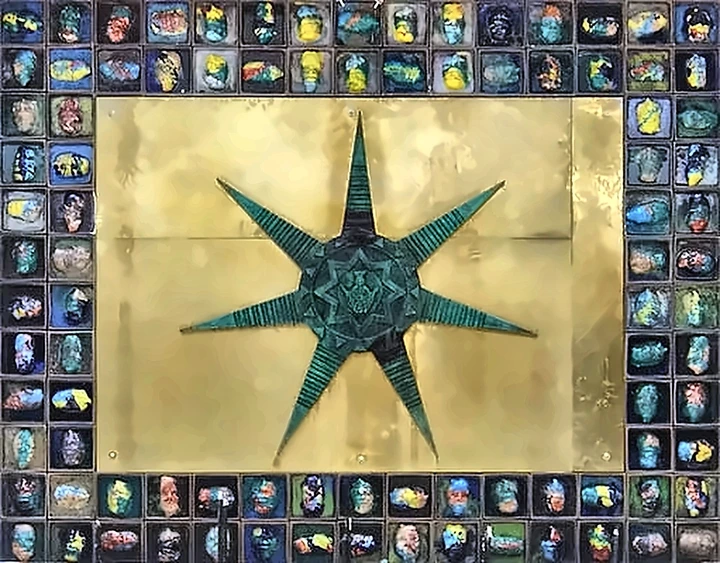
Gold ground, one green star, and every face different.
An eight-pointed star in green on a gilded field, and framing it about a hundred small tiles, each one a modelled face glazed in a different colour. Nothing in the border repeats — which by now you will recognise as the thing he does.
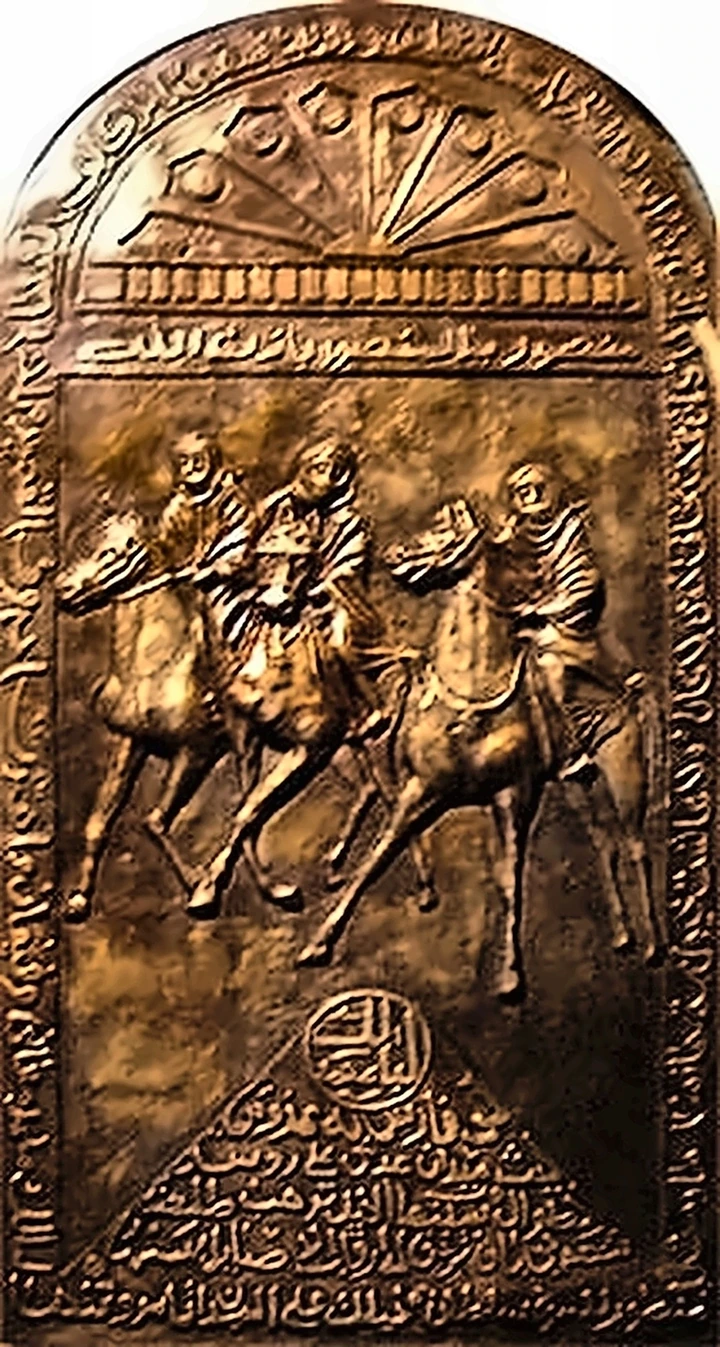
60 works, measured and sourced.
Recovered from his own published captions, not written here. Dimensions in centimetres as he gave them. Where a year or a title was never published it is absent rather than estimated.
and 42 more in the same room, all recovered with the same fields.
Seventeen archive photographs.